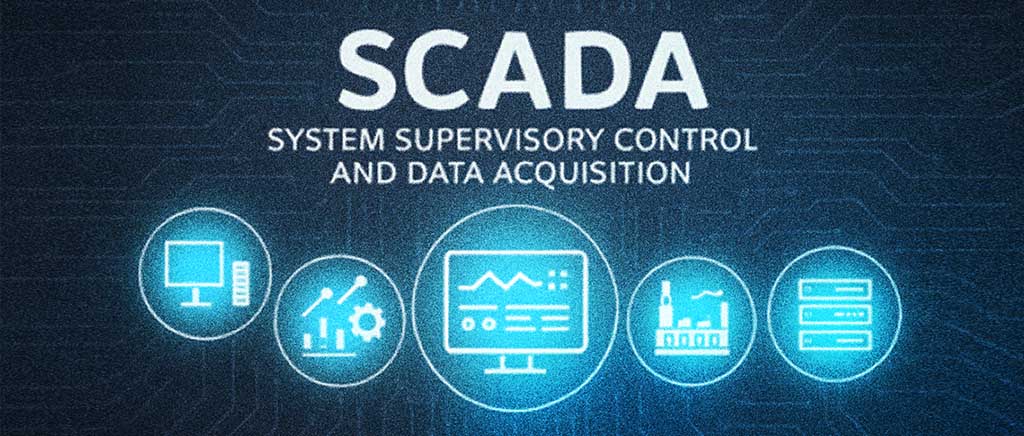
In modern industries, real-time monitoring, operational efficiency, and system reliability are considered critical for success and optimized workflows. This is where SCADA systems play a key role. SCADA, short for Supervisory Control and Data Acquisition, is a powerful technology that allows industries to monitor, control, and analyze industrial processes from a centralized platform. Discover what SCADA systems are, how they work, their applications, and benefits in modern industries.
What Is a SCADA System?
A SCADA system is an integrated combination of industrial software and hardware used to supervise processes, collect operational data, and enable remote control of equipment.
Whether the application involves a single small facility or a large-scale installation, geographically distributed infrastructure, SCADA systems convert raw data into meaningful insights that support better decision-making and long-term operational stability.

How Does a SCADA System Work?
SCADA systems follow a structured and reliable process:
Data Collection
Industrial sensors and field devices measure key parameters such as temperature, pressure, voltage, current, water leak, and other equipment status.
Data Communication
PLCs, RTU-enabled devices, and intelligent controllers gather this data and transmit it to the SCADA server using industrial protocols such as Modbus TCP/IP, RTU, and SNMP.
Processing and Storage
The SCADA platform processes incoming data in real time and stores it securely in databases for further historical analysis and reporting.
Visualization and Control
Operators access the system through HMI dashboards, allowing them to monitor performance, receive alarms, analyze trends, and remotely control equipment when necessary.

SCADA vs PLC vs HMI: Key Differences
Each component in industrial automation serves a distinct purpose:
PLC (Programmable Logic Controller):
Executes control logic and directly operates industrial equipment like motors, pumps, and valves.
HMI (Human Machine Interface):
Provides a graphical interface for local operator interaction with machines and processes.
SCADA System:
Acts as the supervisory layer, managing multiple PLCs and HMIs, handling alarms, storing data, generating reports, and enabling centralized and remote system control.
Together, these technologies form a complete industrial automation ecosystem.
The Evolution of SCADA Systems
Industrial control systems have evolved significantly over time:
- Manual control using switches and relays
- Remote monitoring enabled by telemetry
- PLC-based SCADA systems in the 1970s
- Networked SCADA and HMI solutions in the 1990s
- Modern web-based, cloud-integrated SCADA platforms
Today’s SCADA systems emphasize scalability, cybersecurity, data analytics, and global accessibility.
Industries That Use SCADA Systems
SCADA technology is widely used across various sectors, including:
- Oil, gas, and petrochemical industries
- Power generation, transmission, and distribution
- Water and wastewater treatment facilities
- Manufacturing and industrial production lines
- Smart cities and transportation systems
- Data centers and smart agriculture
Any industry requiring continuous operation and real-time visibility can benefit from SCADA.
Benefits of Using a SCADA System
Organizations implement SCADA systems to achieve:
- Higher operational efficiency
- Reduced downtime and maintenance costs
- Improved safety and risk management
- Faster response to alarms and failures
- Centralized monitoring of complex systems
- Data-driven and predictive decision-making
SCADA systems provide greater control, transparency, and confidence in industrial operations.
When Do You Need a SCADA System?
A SCADA system becomes essential when:
- Operations grow in scale or complexity
- Facilities are geographically distributed
- Remote monitoring and control are required
- Historical data and analytics are critical
- System downtime could cause financial or safety risks
In such scenarios, SCADA is a strategic necessity rather than a simple upgrade.
How to Start Implementing a SCADA System
Successful SCADA implementation begins with careful planning:
Analyze industrial processes and monitoring needs
Select appropriate sensors, PLCs, and controllers
Define reliable communication protocols
Choose a scalable SCADA software platform
Design intuitive HMI dashboards
Test, deploy, and train operators
At Sepehr Anformatic Derakhshan, we focus on customized SCADA architectures tailored to each client’s operational and security requirements. Along our extensive range of Modbus TCP devices that transmit environmental data to the Modbus gateway, we can provide facilities with innovative and tailor-made SCADA software, to experience a unified, single-manufacturer solution that ensures seamless communication with diverse industrial equipment.
The Future of SCADA Systems
Modern SCADA platforms are moving toward:
Web-based and browser-accessible systems
Standard SQL databases
Advanced cybersecurity and access control
High levels of customization and integration
Localized and independent platforms for data sovereignty
Sepehr Anformatic Derakhshan is actively developing next-generation SCADA platforms designed to meet the needs of modern industries both locally and internationally.
Why Choose Sepehr Anformatic Derakhshan?
With the right technology and expertise, SCADA systems become the foundation of intelligent industrial operations.
Sepehr Anformatic Derakhshan is committed to delivering secure, scalable, and future-ready SCADA solutions that empower industries to operate smarter and safer.