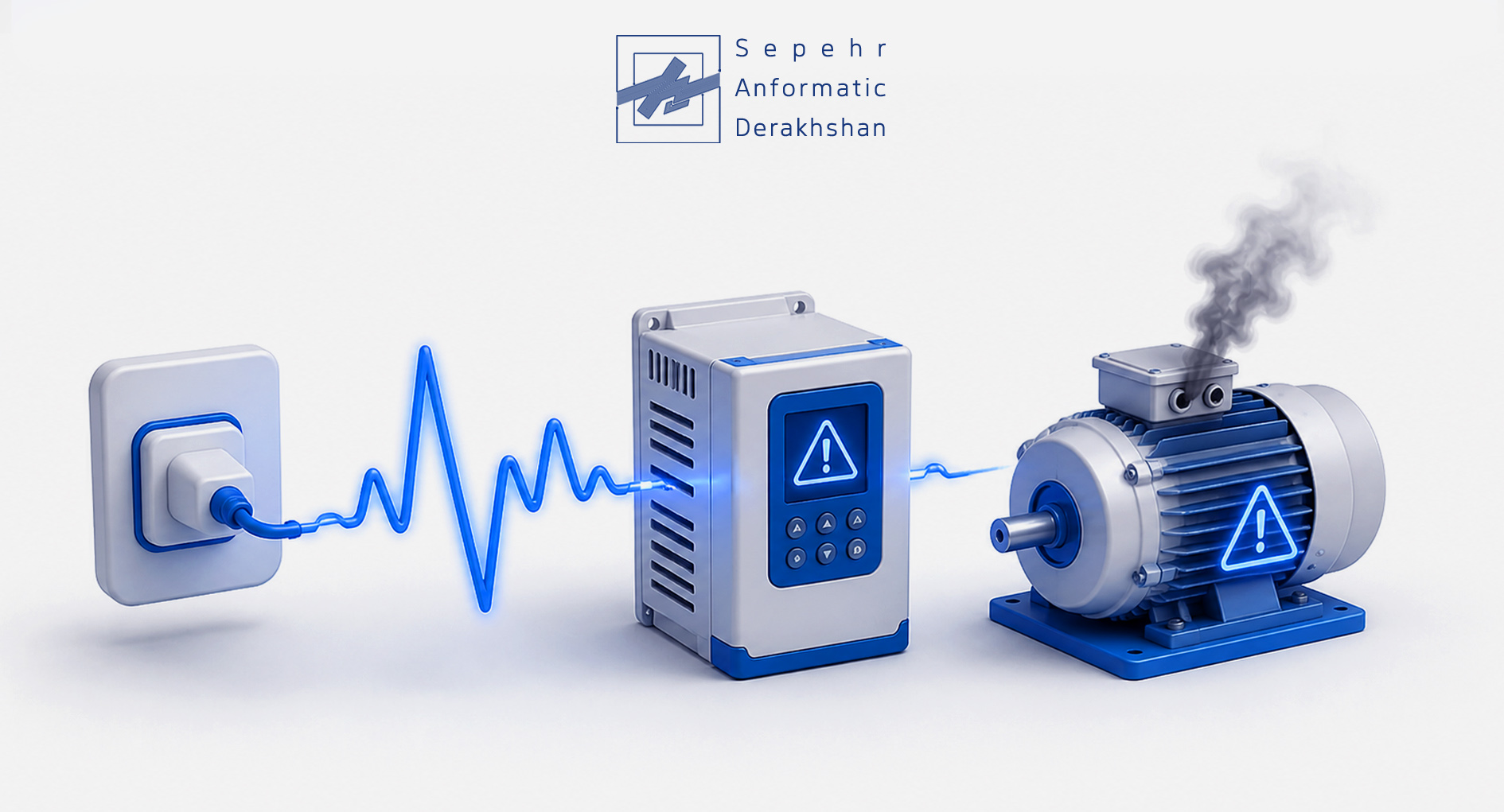

Predictive maintenance for card printers is becoming an essential strategy for organizations that depend on reliable card issuance systems. From employee ID cards and membership cards to banking and access control credentials, card printers play a critical role in daily operations. As a result, any unexpected printer failure can disrupt workflows, increase maintenance costs, and negatively affect customer experience.
Traditional maintenance approaches are no longer sufficient for modern organizations. Instead of waiting for equipment to fail, businesses are increasingly adopting data-driven maintenance strategies. By combining Edge AI and Internet of Things (IoT) technologies, predictive maintenance enables organizations to monitor equipment health in real time, identify potential failures early, and take corrective action before costly breakdowns occur.
What Is Predictive Maintenance for Card Printers?
Predictive maintenance for card printers is a maintenance strategy that uses real-time operational data to predict equipment failures before they happen. Unlike preventive maintenance, which follows fixed service schedules, predictive maintenance relies on the actual condition and performance of the printer.
Modern card printers continuously generate valuable operational data, including print volume, printhead temperature, ribbon consumption, energy usage, mechanical stress, and error logs. When this information is analyzed effectively, organizations can identify patterns that indicate wear, declining performance, or developing faults.
For example, a gradual increase in printhead temperature or a steady rise in printing errors may signal that a component is approaching failure. Consequently, maintenance teams can address potential issues before they result in costly downtime or equipment damage. This proactive approach is one of the primary reasons why predictive maintenance for card printers is gaining widespread adoption.
How IoT Enables Predictive Maintenance
To implement predictive maintenance for card printers successfully, organizations must first collect accurate operational data. This is where IoT technology plays a critical role.
IoT connects printers, sensors, and monitoring systems into a unified network that continuously gathers performance information. Furthermore, these connected devices provide real-time visibility into the health and status of each printer.

For instance, IoT-enabled card printers can monitor printhead temperature, ribbon consumption, power usage, mechanical movement, and error frequency. By analyzing these metrics, organizations can identify abnormal operating conditions before they escalate into serious problems.
In addition, IoT enables centralized monitoring across multiple locations. As a result, maintenance teams can manage larger printer fleets more efficiently while improving maintenance planning and resource allocation.
How Edge AI Enhances Predictive Maintenance for Card Printers
While IoT provides access to valuable operational data, collecting information alone is not enough. Organizations must also analyze that data quickly and accurately. This is where Edge AI significantly enhances predictive maintenance for card printers.
In traditional monitoring environments, data is sent to a remote server for processing and analysis. However, this process can introduce delays that reduce responsiveness. Edge AI addresses this challenge by processing data directly on or near the printer itself.
As a result, abnormal behavior can be detected almost instantly. For example, if a printer experiences unusual power consumption, elevated printhead temperatures, or declining print quality, Edge AI can identify these anomalies and trigger alerts before a failure occurs.
Moreover, Edge AI systems can learn normal operating patterns over time. Therefore, they become increasingly effective at detecting subtle changes that may indicate future maintenance requirements. This capability improves both the accuracy and efficiency of predictive maintenance.
Benefits and Challenges of Predictive Maintenance
Organizations that implement predictive maintenance for card printers can achieve a wide range of operational and financial benefits. Most importantly, early fault detection helps reduce unplanned downtime and maintain uninterrupted printing operations.
Furthermore, proactive maintenance extends the lifespan of critical printer components by preventing excessive wear and reducing the likelihood of catastrophic failures. Improved equipment health also contributes to more consistent print quality and better overall performance.

In addition, maintenance teams can prioritize tasks based on actual equipment conditions rather than relying on fixed maintenance schedules. Consequently, organizations often experience lower maintenance costs and more efficient use of technical resources.
However, implementing predictive maintenance for card printers is not without challenges. Many older printers lack the sensors and connectivity required for advanced monitoring capabilities. Additionally, organizations must address cybersecurity concerns associated with connected devices and operational data transmission.
Moreover, integrating predictive maintenance platforms with existing enterprise systems may require additional technical expertise. Although the initial investment can be significant, many organizations find that long-term savings and operational improvements justify the cost.
The Future of Predictive Maintenance
The future of predictive maintenance for card printers is closely linked to advances in artificial intelligence, machine learning, and connected technologies. As these technologies continue to evolve, printers will become increasingly capable of identifying faults automatically and optimizing their own performance.
Furthermore, future systems are expected to provide more accurate predictions and automated maintenance recommendations. As a result, organizations will be able to reduce downtime even further while maximizing equipment reliability.
Ultimately, predictive maintenance represents a shift from reactive maintenance to proactive equipment management. By combining IoT connectivity with Edge AI intelligence, organizations can improve operational efficiency, reduce maintenance costs, and ensure more reliable card printing operations for years to come.