As global data volumes continue rising, server rooms are headed toward a profound transformation. By 2030, traditional data centers with manually managed infrastructure will be replaced by fully intelligent environments powered by IoT sensors and AI-driven automation. In this comprehensive look at the future of server rooms, we explore how IoT-enabled hardware will reshape reliability, efficiency, and infrastructure management over the next decade.
Smart Server Room Monitoring and Next‑Generation Infrastructure Management
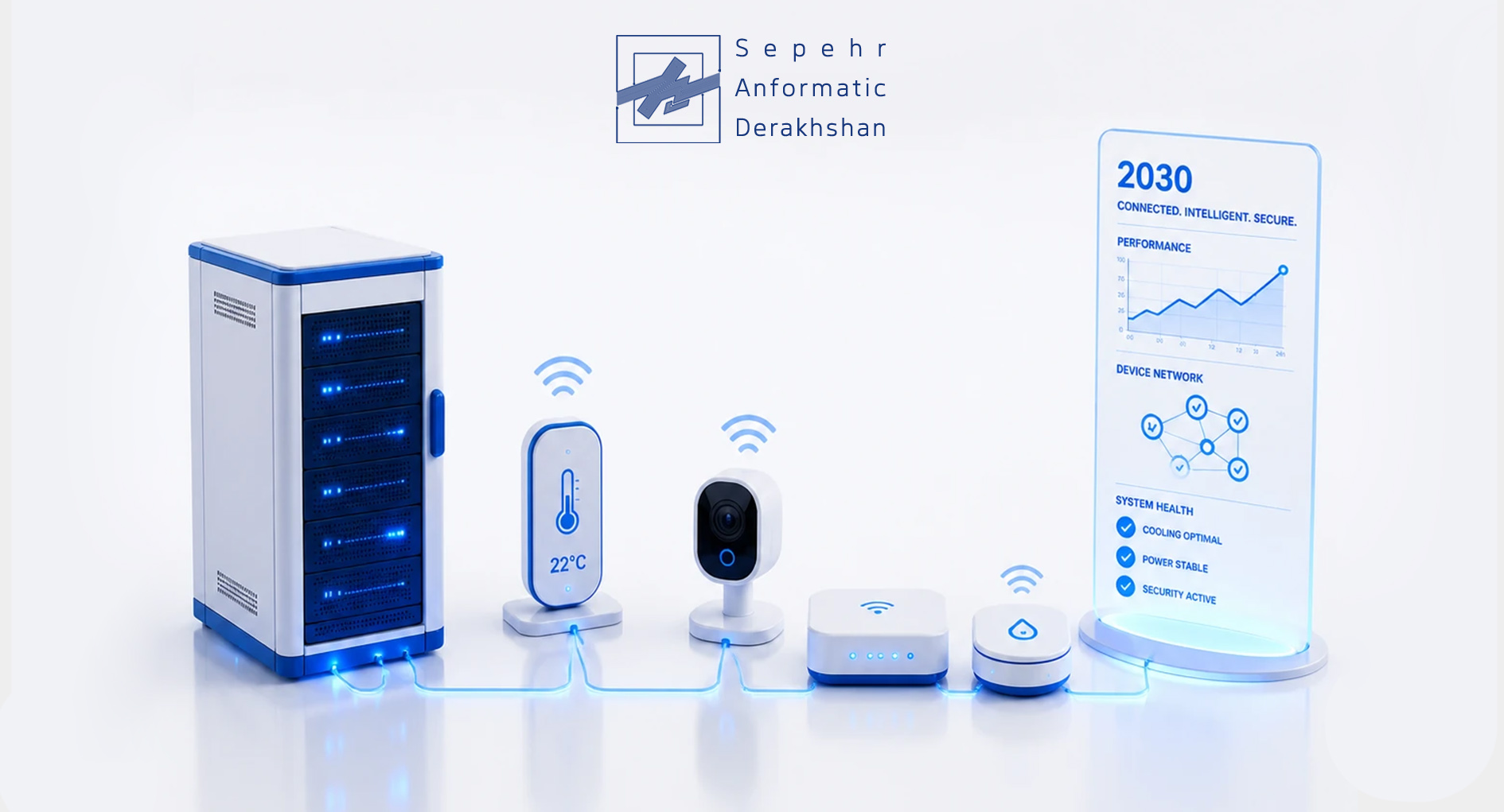
The integration of IoT in data centers with artificial intelligence is shifting server room management from reactive troubleshooting to proactive, self‑optimizing operation. By 2030, the following technologies will become industry‑standard components of every modern server room.
Maintenance for Critical Hardware of Server Rooms
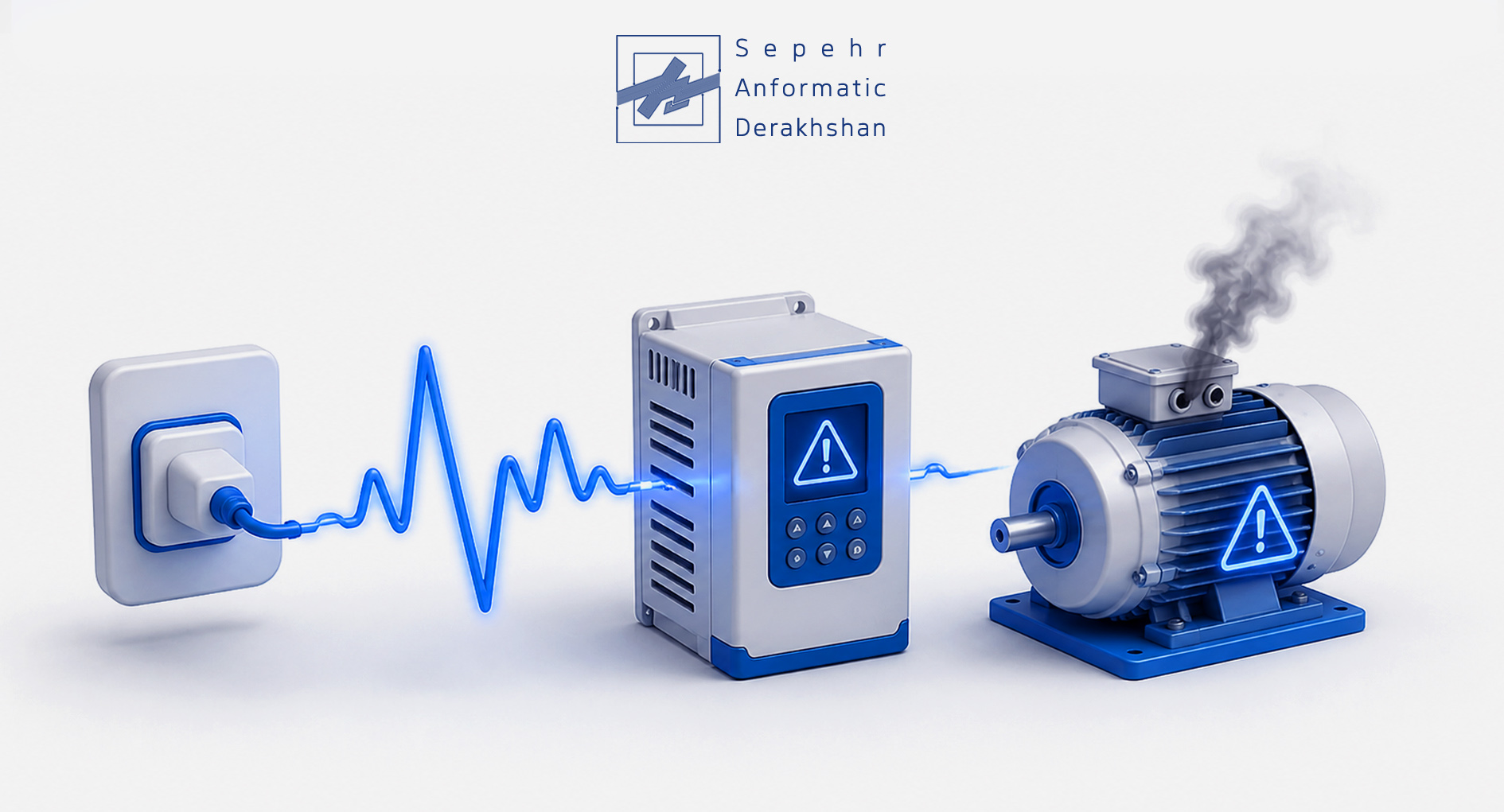
Unexpected hardware failures will gradually disappear. Dense IoT sensor networks will continuously track voltage fluctuations, subtle temperature variations on processors, and even abnormal vibrations in cooling fans.
AI systems will analyze these real‑time signals to predict component degradation weeks before failure occurs. When risk levels rise, the smart monitoring platform will automatically shift workloads to backup servers and schedule replacement of the affected component without human intervention.
Digital Twins for Data Center Simulation
One of the most influential developments in the future of server rooms is the widespread adoption of digital twin technology. By 2030, IT managers will use a live, 3D virtual replica of the server room that mirrors every physical detail through IoT sensor data.
Before expanding rack capacity, altering cable layouts, or adjusting power distribution, decision‑makers will simulate changes in the virtual model. This allows precise forecasting of energy consumption, cooling efficiency, and overall network stability before implementation.
Seamless Integration of Edge Computing
With billions of devices joining the global network by the end of the decade, minimizing latency becomes a mission‑critical requirement.
Server rooms will no longer function as isolated facilities; instead, they will operate as part of a distributed, intelligent computing ecosystem. IoT sensors will determine in real time whether data should be processed at the edge, closer to the user or transferred to centralized data centers for long‑term storage and analysis.
This hybrid model will drastically improve speed, reliability, and scalability.
Next‑Generation Cooling Systems for Servers
As AI workloads intensify, future servers will generate far more heat than today’s HVAC systems can manage. By 2030, traditional air‑based cooling will be fully replaced by liquid cooling technologies.
IoT sensors will regulate coolant temperature with precision. Instead of cooling the entire room at full capacity, the intelligent system will deliver cooling exactly to the components operating under heavy load.
This targeted method:
- reduces electricity consumption significantly
- minimizes thermal stress
- extends hardware lifespan
IoT‑Driven Physical Security in Data Centers
The future of server rooms won’t just be smarter; they’ll be more secure. IoT will unify physical and cyber security layers into a single coordinated system.
Smart CCTV cameras, biometric rack locks, environmental sensors, and network firewalls will work together to detect anomalies both in the physical and digital environment.
For instance, if an unauthorized person approaches a sensitive rack, the system will automatically lock physical access points and simultaneously disable network ports connected to that server to prevent data breaches.
Sustainability and Zero‑Carbon Data Centers
By 2030, global energy standards will require organizations to move toward zero‑carbon data centers.
IoT‑enabled energy management platforms will track electricity consumption at microsecond resolution, detect inefficiencies instantly, and switch server power sources between the grid and renewable energy systems as needed.
This level of automation revolutionizes data center sustainability and ensures full compliance with modern environmental standards.
Conclusion
The convergence of IoT, AI, digital twins, edge computing, and liquid cooling is pushing server rooms into an era of complete automation, predictive intelligence, and environmental efficiency. By 2030, server rooms will operate as self‑managing ecosystems, smarter, greener, and dramatically more reliable than anything we know today.