Artificial intelligence is rapidly transforming how organizations monitor, analyze, and optimize physical systems. One of the most significant innovations driving this transformation is AI for Digital Twins. By combining Artificial Intelligence (AI), Internet of Things (IoT), cloud computing, and real-time analytics, businesses can create intelligent virtual replicas that continuously learn and improve.
As organizations pursue digital transformation initiatives, AI-powered digital twins are becoming essential tools for improving operational efficiency, reducing costs, and enabling predictive decision-making. In this article, we explore the benefits, applications, and future trends of AI for Digital Twins in 2026.
What Is AI for Digital Twins?
AI for Digital Twins refers to the integration of artificial intelligence capabilities into digital twin technology. A digital twin is a virtual representation of a physical asset, process, or system that receives real-time data from sensors and connected devices.
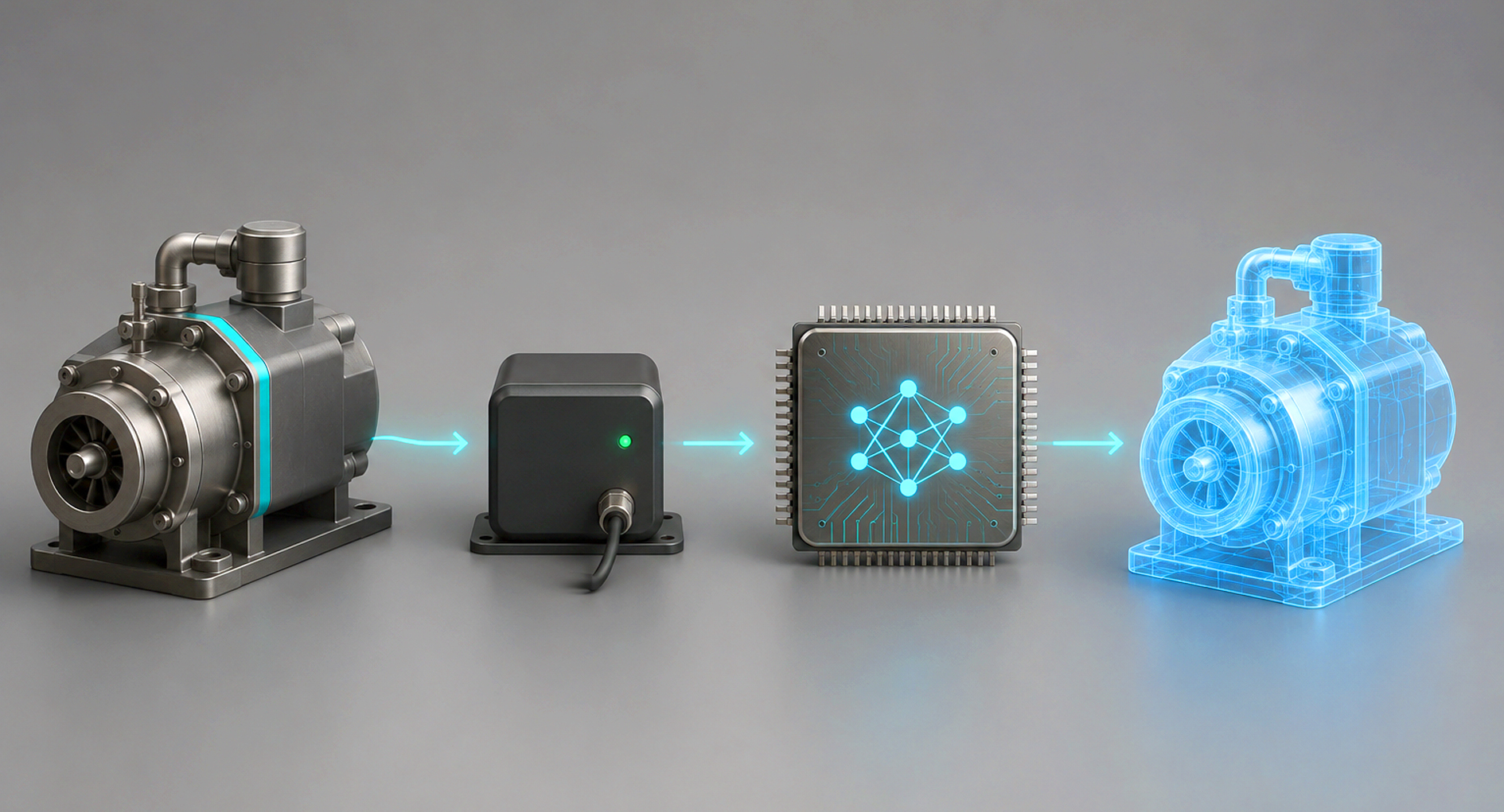 Traditionally, digital twins provided visibility into operations. However, AI transforms these virtual models into intelligent systems capable of prediction, optimization, and autonomous decision-making. As a result, organizations can move beyond monitoring and begin proactively improving performance across their operations.
How AI Improves Digital Twin Technology
Digital twin technology becomes significantly more powerful when enhanced with artificial intelligence. AI enables digital twins to analyze massive volumes of data, identify patterns, and generate actionable insights.
Predictive Analytics with AI for Digital Twins
One of the biggest advantages of AI-powered digital twins is predictive analytics. Machine learning algorithms can identify early warning signs of potential issues before they become critical problems.
Organizations can predict:
- Equipment failures
- Production disruptions
- Energy consumption spikes
- Supply chain bottlenecks
- Asset degradation
Predictive capabilities help businesses reduce downtime and avoid costly operational interruptions. Consequently, organizations can improve reliability while maximizing asset utilization.
Real-Time Optimization Using AI-Powered Digital Twins
AI continuously analyzes incoming data and recommends operational improvements in real time.
For example, an AI-powered digital twin can identify inefficiencies in a production line and recommend adjustments that improve throughput. Similarly, energy systems can optimize resource allocation based on current demand patterns.
These optimization capabilities enable businesses to operate more efficiently while reducing unnecessary costs.
Autonomous Decision-Making
Modern AI for Digital Twins goes beyond recommendations. Advanced systems can automatically trigger actions based on predefined rules and AI-generated insights.
For instance, a digital twin may schedule maintenance, adjust machine settings, or reroute logistics operations without human intervention. This capability significantly enhances operational agility.
Benefits of AI for Digital Twins
Organizations across industries are investing in AI-powered digital twins because of the measurable value they deliver.
Improved Operational Efficiency: AI-powered digital twins provide continuous visibility into business operations. This visibility allows organizations to identify inefficiencies and implement improvements faster.
As a result, companies can streamline workflows and increase overall productivity.
Reduced Downtime Through Predictive Maintenance: Predictive maintenance is one of the most common applications of AI for Digital Twins.
Organizations can:
- Detect equipment anomalies
- Predict maintenance requirements
- Prevent unexpected failures
- Extend asset lifespan
- Improve maintenance planning
By proactively addressing issues, businesses can significantly reduce downtime and maintenance costs. Furthermore, improved equipment reliability contributes to higher customer satisfaction.
Better Decision-Making: Decision-makers often struggle with fragmented data and limited visibility. AI-powered digital twins address this challenge by consolidating information from multiple sources into a single intelligent model.
Consequently, leaders can make faster and more informed decisions based on real-time insights rather than assumptions.
Enhanced Sustainability: Sustainability has become a strategic priority for organizations worldwide. AI for Digital Twins helps businesses monitor environmental performance and identify opportunities for improvement.
Organizations can track:
- Energy consumption
- Carbon emissions
- Water usage
- Resource efficiency
- Waste generation
This visibility supports sustainability initiatives while also reducing operational expenses.
AI for Digital Twins in Manufacturing
Manufacturing remains one of the largest adopters of digital twin technology.
Smart Factory Optimization
Manufacturers use AI-powered digital twins to simulate and optimize production environments. These virtual models provide insights into equipment performance, production flow, and operational efficiency.
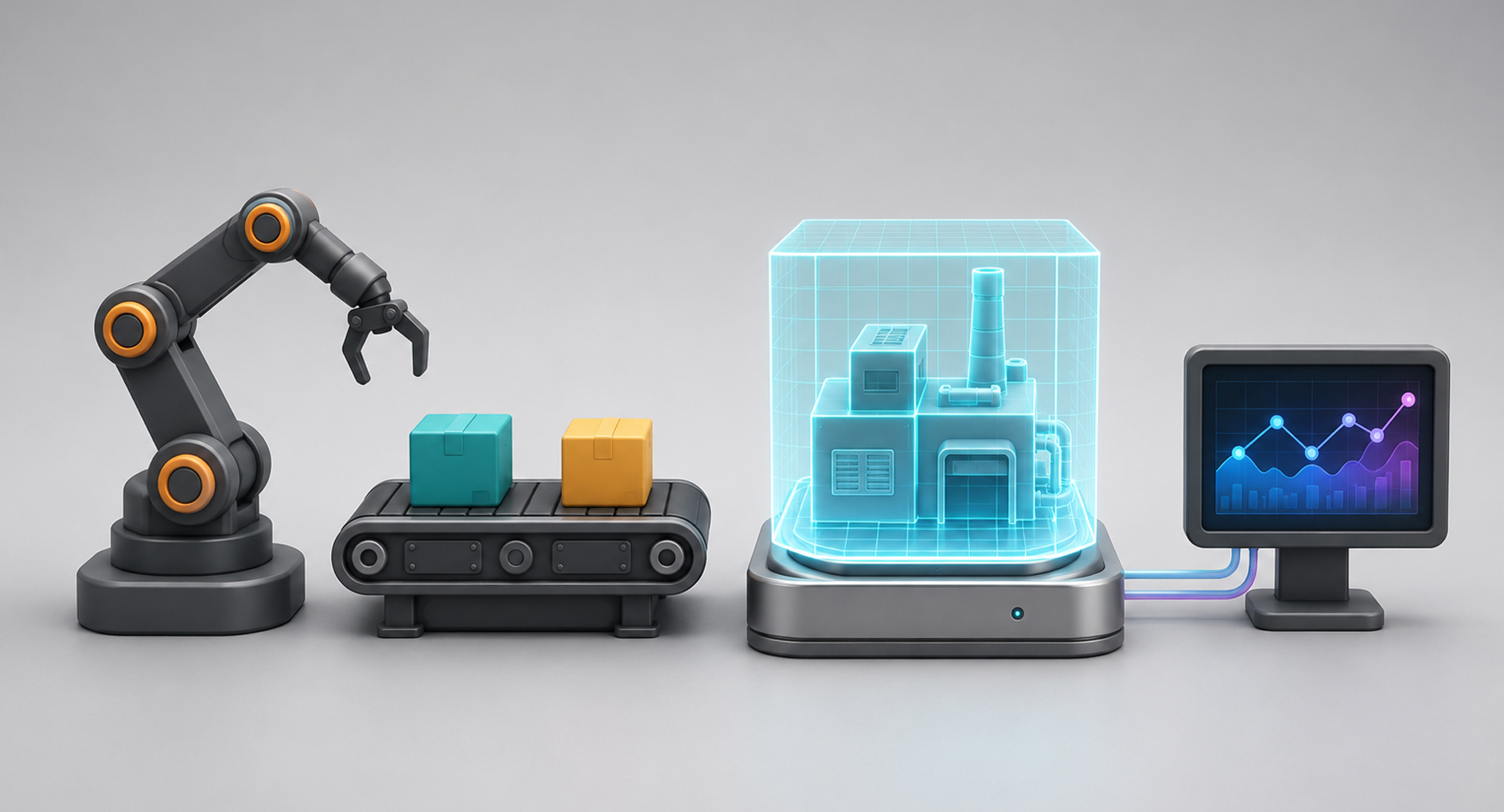 As manufacturing processes become increasingly complex, digital twins enable continuous optimization and process improvement.
Quality Control and Defect Prevention
AI can analyze production data to identify patterns associated with product defects.
For example, manufacturers can:
- Detect quality issues early
- Identify root causes
- Improve production consistency
- Reduce waste
- Increase customer satisfaction
The result is a more efficient production environment with fewer costly defects.
Predictive Maintenance in Manufacturing
Predictive maintenance remains one of the most valuable use cases for AI for Digital Twins in manufacturing.
Instead of relying on fixed maintenance schedules, manufacturers can perform maintenance only when required. This approach minimizes downtime while reducing maintenance costs.
AI and IoT Integration for Digital Twins
The success of AI-powered digital twins depends heavily on data. This is where IoT technology plays a critical role.
IoT devices continuously collect real-time information from physical assets and transmit it to digital twin platforms. AI then processes this data to generate insights and predictions.
Common IoT sensor data includes:
- Temperature readings
- Pressure measurements
- Vibration monitoring
- Energy consumption metrics
- Equipment performance indicators
Without IoT connectivity, digital twins would lack the real-time visibility necessary for intelligent decision-making. Therefore, AI and IoT integration is considered the foundation of modern digital twin ecosystems.
Digital Twin Technology Use Cases in 2026
The adoption of AI for Digital Twins is expanding rapidly across multiple industries.
Healthcare Digital Twins
Healthcare organizations are using digital twins to improve patient care and operational efficiency.
Applications include:
- Remote patient monitoring
- Medical device optimization
- Personalized treatment planning
- Hospital resource management
These capabilities help healthcare providers deliver more effective and efficient services.
 Smart Cities
Smart cities rely on AI-powered digital twins to model and optimize urban infrastructure.
Examples include:
- Traffic management systems
- Public transportation networks
- Utility infrastructure
- Emergency response planning
- Environmental monitoring
As cities continue to grow, digital twins provide valuable tools for improving urban sustainability and quality of life.
Energy and Utilities
Energy providers use AI-powered digital twins to monitor critical infrastructure and optimize operations.
Benefits include:
- Improved grid reliability
- Renewable energy optimization
- Reduced operational costs
- Enhanced energy forecasting
- Better asset management
These improvements support both operational efficiency and sustainability goals.
Challenges of Implementing AI for Digital Twins
Despite the advantages, organizations must address several challenges when implementing AI-powered digital twins.
Data Quality Challenges
AI systems require accurate and reliable data. Poor-quality data can lead to inaccurate predictions and ineffective decision-making.
Organizations should establish strong data governance frameworks to ensure data accuracy and consistency.
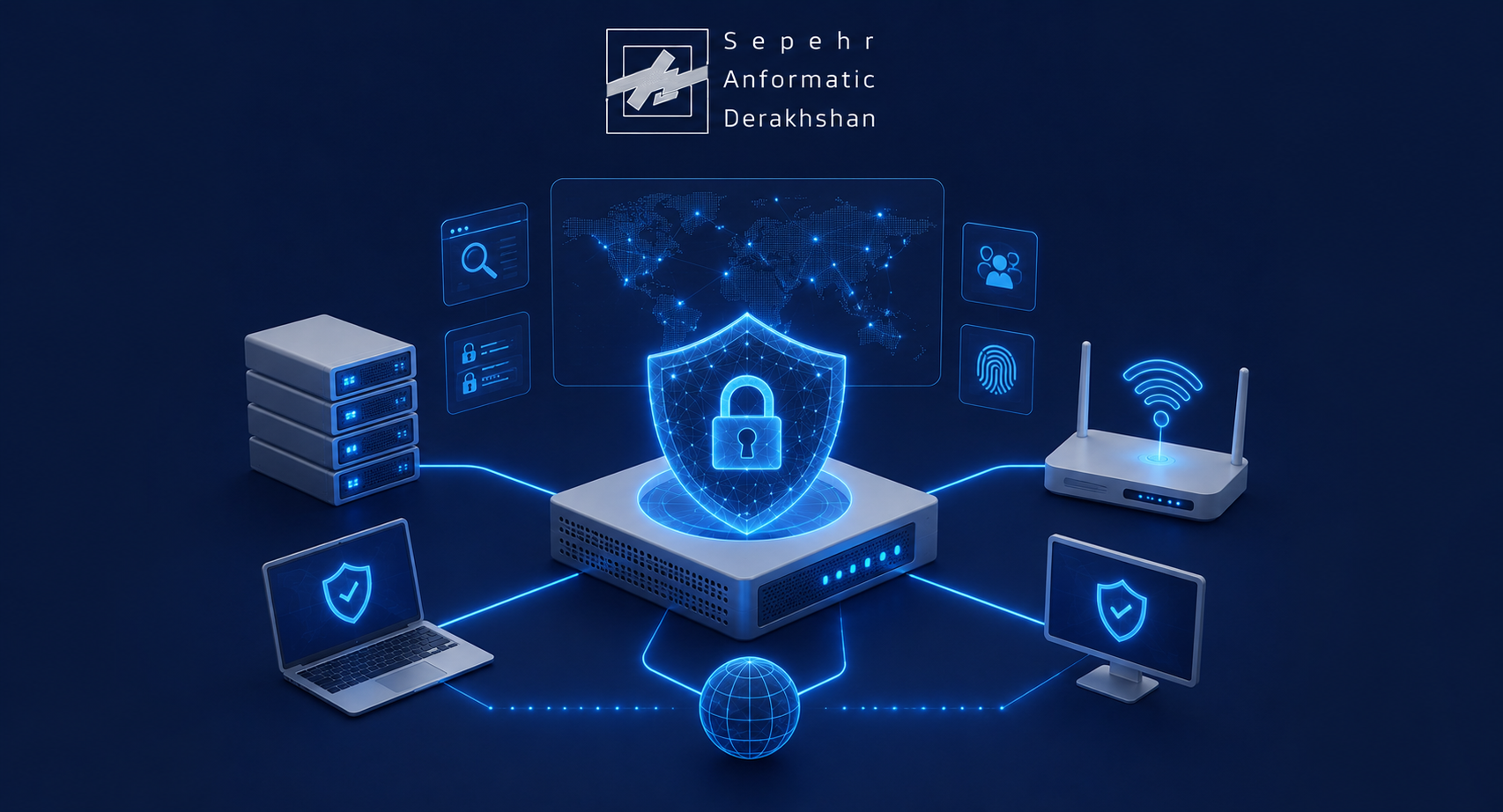
Cybersecurity Risks
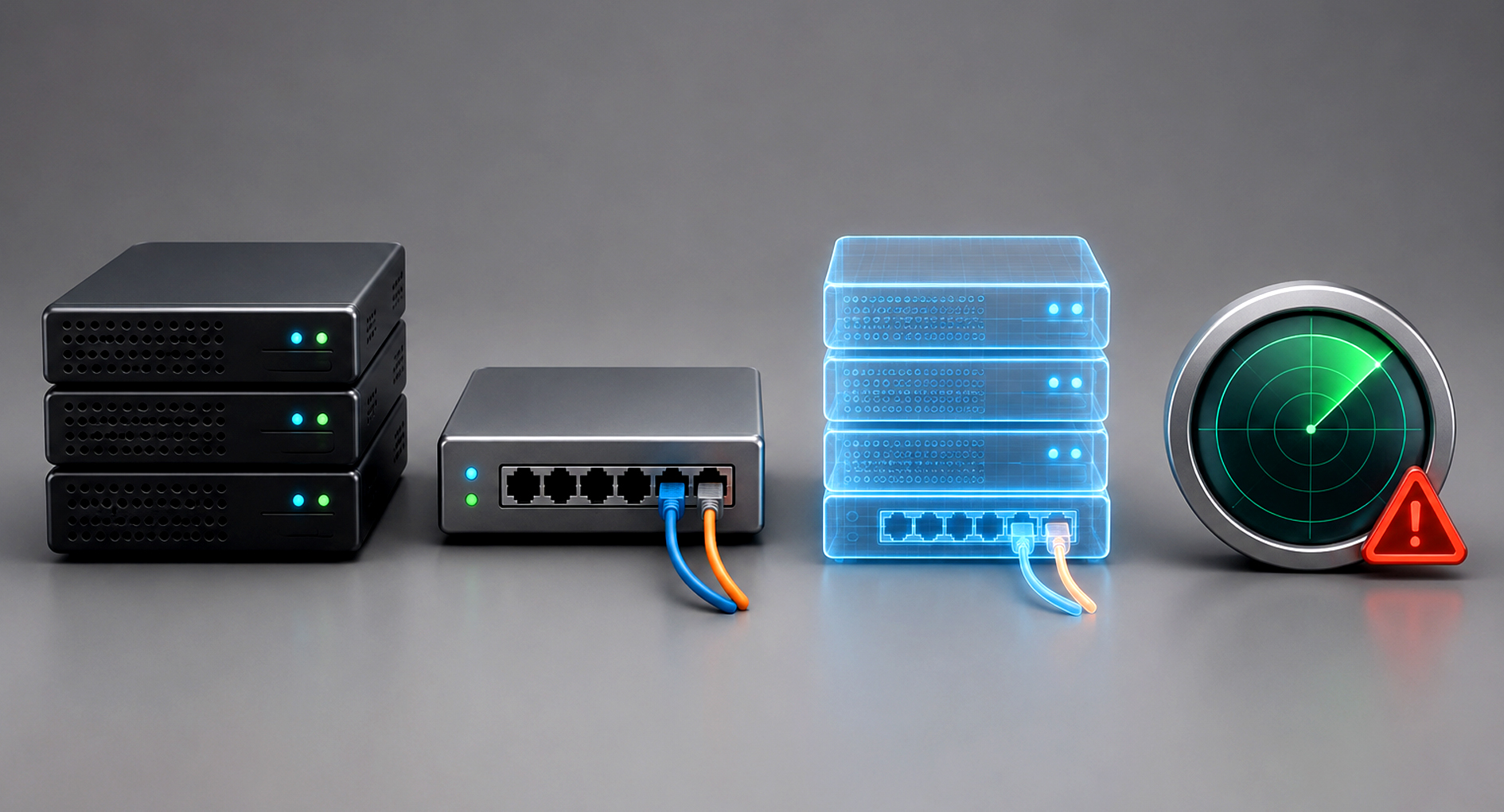
Connected devices increase the attack surface for cyber threats.
Businesses must prioritize:
- Secure device management
- Data encryption
- Access control policies
- Continuous monitoring
- Threat detection
Strong cybersecurity practices are essential for protecting digital twin environments.
Integration Complexity
Many organizations operate legacy systems that were not designed for modern digital twin architectures.
Consequently, integration projects often require significant planning and investment. However, the long-term benefits typically outweigh the initial implementation challenges.
Future Trends for AI-Powered Digital Twins
The future of AI for Digital Twins is expected to be shaped by several emerging technologies.
Generative AI Integration
Generative AI will enable users to interact with digital twins through natural language interfaces.
This advancement will make digital twin technology more accessible to non-technical users while accelerating decision-making processes.
Edge AI and Real-Time Intelligence
Edge AI allows data processing to occur closer to the source rather than relying entirely on cloud infrastructure.
As a result, organizations can reduce latency, improve responsiveness, and support mission-critical operations.
Autonomous Digital Twins
Future digital twins will become increasingly autonomous.
Rather than simply recommending actions, they will independently execute optimization strategies based on AI-generated insights. This evolution will further increase efficiency and operational agility.
Conclusion: Why AI for Digital Twins Matters in 2026
AI for Digital Twins is transforming industries by enabling predictive analytics, real-time optimization, and intelligent decision-making. As organizations continue to embrace digital transformation, AI-powered digital twins will become a core component of business operations.
From manufacturing and healthcare to smart cities and energy systems, digital twin technology provides organizations with unprecedented visibility and control. Furthermore, advances in AI and IoT integration are creating new opportunities for innovation and efficiency.
Businesses that invest in AI-powered digital twins today will be better positioned to compete, innovate, and thrive in the data-driven economy of the future.